Hose coupling wrenches are indispensable tools for anyone dealing with hoses and connections in various industries, from plumbing to automotive maintenance and beyond. Their functionality and ease of use can significantly impact the efficiency and safety of tasks. Whether you’re a seasoned professional or a DIY enthusiast, understanding the nuances of handling these tools can make your work smoother and more effective.
Understanding Hose Coupling Wrenches
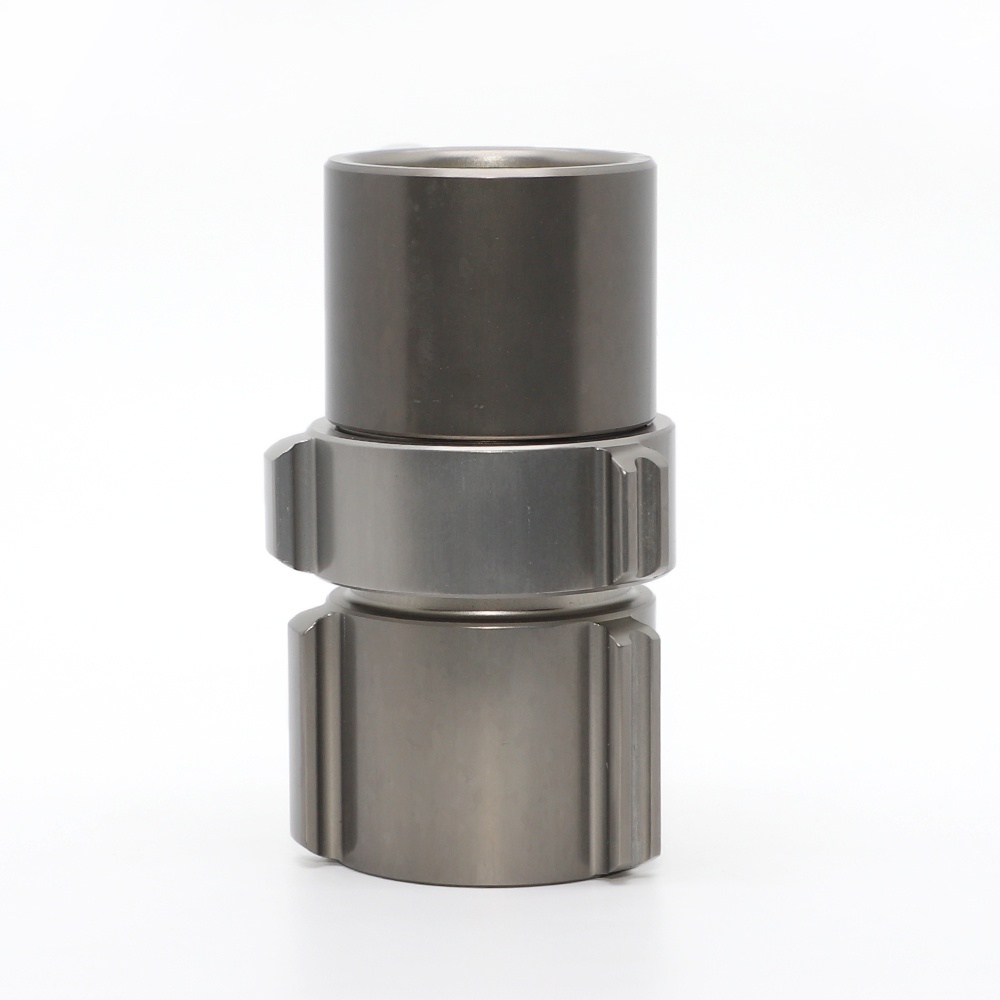
Before delving into tips and tricks for handling hose coupling wrenches, it’s crucial to understand their basic structure and purpose. These wrenches are specially designed to tighten or loosen hose couplings—the connectors that connect hoses to fittings or other hoses securely. They come in various shapes, sizes, and materials, catering to different coupling types and applications.
Tips for Proper Handling
- Choose the Right Wrench for the Job
Selecting the appropriate wrench for your specific task is fundamental. Ensure the wrench fits the coupling size snugly to prevent slippage or damage to the coupling. Consider the material of the wrench as well—some are designed for specific hose materials to avoid scratching or denting.
- Maintain Clean Couplings
Before using the wrench, ensure the couplings are clean and free from debris or corrosion. A clean coupling prevents the slipping of the wrench and facilitates a better grip, making the job easier.
- Use Proper Technique
The technique for using a hose coupling wrench is essential for effective handling. Apply steady, even pressure when tightening or loosening the coupling. Avoid overtightening, as it may damage the coupling or cause leaks while under-tightening can result in a loose connection.
- Optimize Leverage
Utilize the wrench’s design to optimize leverage. Some wrenches come with extended handles or adjustable lengths, allowing for increased torque with minimal effort. Position yourself in a way that maximizes leverage while maintaining balance to prevent strain or injury.
- Lubrication Matters
In cases where couplings are stubborn or prone to corrosion, applying a suitable lubricant can ease the process. Lubrication reduces friction, making it easier to turn the coupling, and minimizes wear on the wrench.
Tricks for Efficient Handling
- Storage and Maintenance
Proper storage and maintenance of your hose coupling wrenches are crucial for their longevity and effectiveness. Store them in a dry place, away from moisture or extreme temperatures. Regularly clean and inspect the wrenches for any signs of wear or damage.
- Understanding Different Coupling Types
Familiarize yourself with the various types of hose couplings and their corresponding wrenches. Different couplings—such as cam and groove, quick-connect, or claw couplings—may require specific wrench designs or techniques for optimal handling.
- Practice Safety Measures
Always prioritize safety when handling hose coupling wrenches. Wear appropriate personal protective equipment, such as gloves or eye protection, especially when dealing with pressurized systems. Additionally, be cautious of hot surfaces or fluids when working with hoses in industrial settings.
- Invest in Quality Tools
Quality matters when it comes to tools. Invest in durable, high-quality hose coupling wrenches from reputable manufacturers. While they may be slightly more expensive, they offer better performance, reliability, and longevity, saving you money in the long run.
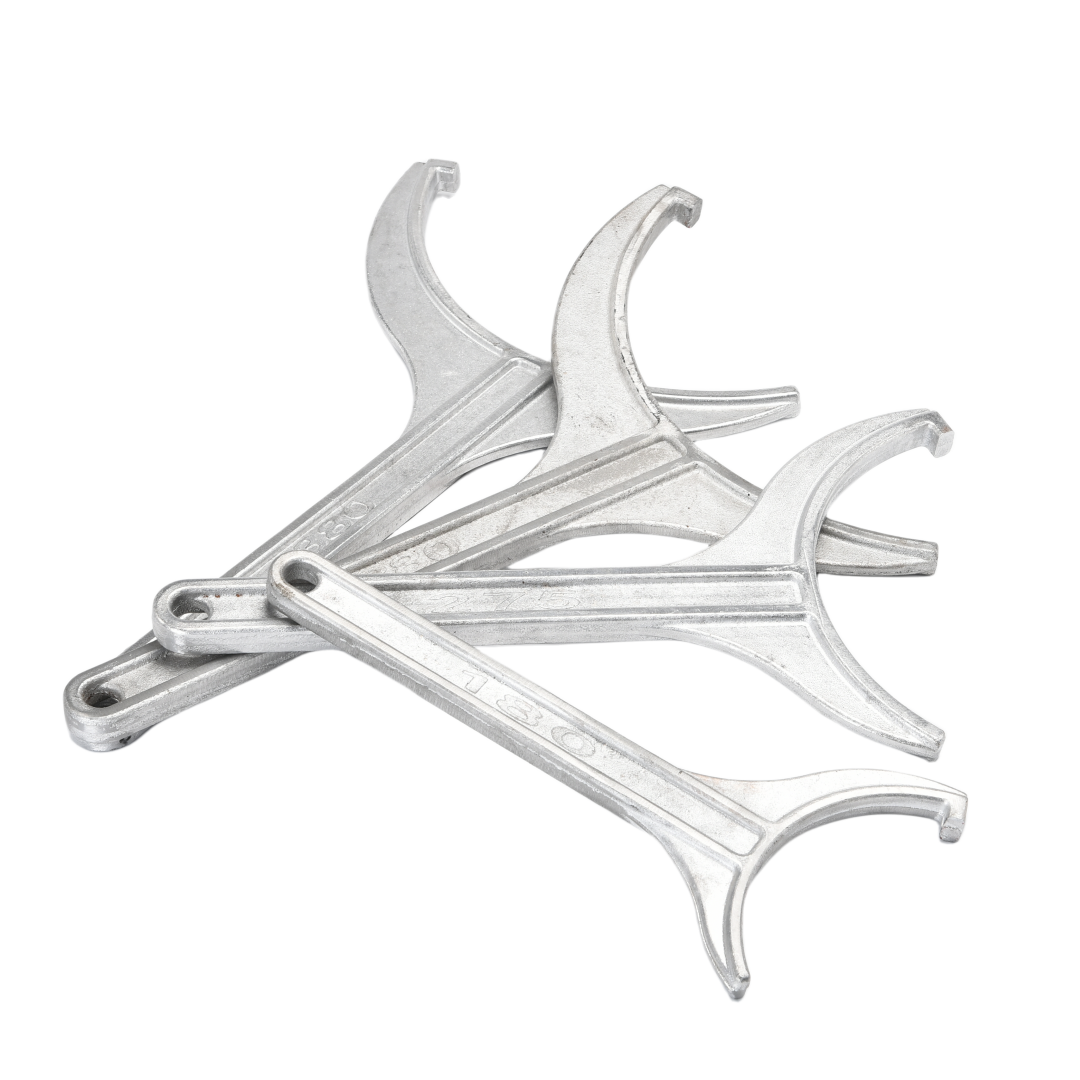
Benefits of Hose Coupling Wrench
- Secure Connections: Hose coupling wrenches ensure tight and secure connections between hoses and fittings. Properly tightened couplings prevent leaks, maintaining the integrity of fluid systems in industries such as plumbing, automotive, manufacturing, and more.
- Efficiency in Maintenance: These wrenches streamline maintenance tasks by making it easier to access and manipulate hose connections. They facilitate quick assembly and disassembly of couplings, saving time during repairs or replacements.
- Versatility: Hose coupling wrenches come in various sizes and designs to accommodate different types of couplings. They are adaptable tools suitable for a wide range of industries and applications, from small-scale household repairs to large industrial systems.
- Reduced Wear and Tear: When used correctly, hose coupling wrenches minimize wear and tear on couplings and fittings. They provide a controlled and consistent method of tightening, reducing the risk of damage caused by overtightening or improper handling.
- Enhanced Safety: Properly tightened hose connections contribute to a safer working environment. By preventing leaks and potential hazards associated with fluid systems, these wrenches help mitigate the risks of accidents or injuries.
- Ease of Handling: Designed for ergonomic use, many hose coupling wrenches come with features such as comfortable grips or extended handles. This design consideration reduces strain and fatigue during prolonged use, improving user comfort and efficiency.
- Maintenance Cost Savings: By ensuring secure connections and minimizing the risk of leaks, hose coupling wrenches contribute to reduced maintenance costs. Preventing leaks can save resources by avoiding fluid loss, potential damage to equipment, and the need for frequent repairs.
- Compatibility with Various Couplings: Different wrench models are designed to accommodate various types of hose couplings. Whether it’s cam-and-groove, quick-connect, or claw couplings, there’s a wrench suitable for specific coupling types, ensuring compatibility and ease of use.
- Longevity of Equipment: Properly maintained and handled hose coupling wrenches have a longer lifespan. Regular cleaning, storage in appropriate conditions, and adherence to proper handling techniques contribute to the longevity of these tools.
- Professional and DIY Use: Hose coupling wrenches are essential for professionals working in industries that heavily rely on hoses, as well as for DIY enthusiasts performing household repairs or maintenance tasks.
In summary, hose coupling wrenches offer a range of benefits that contribute to smoother operations, enhanced safety, reduced maintenance costs, and increased efficiency across multiple industries. These versatile tools play a crucial role in maintaining the integrity of fluid systems and ensuring secure connections, ultimately leading to improved performance and reliability.
Conclusion
Hose coupling wrenches are invaluable assets for anyone working with hoses and connections across various industries. By following these tips and tricks for easy handling, you can enhance your efficiency, ensure safety, and prolong the lifespan of your tools. Remember, proper handling techniques coupled with regular maintenance and safety precautions will result in smoother operations and successful outcomes in your tasks involving hose couplings.
In conclusion, mastering the art of handling hose coupling wrenches not only simplifies your work but also contributes to overall productivity and safety in your workplace or projects.