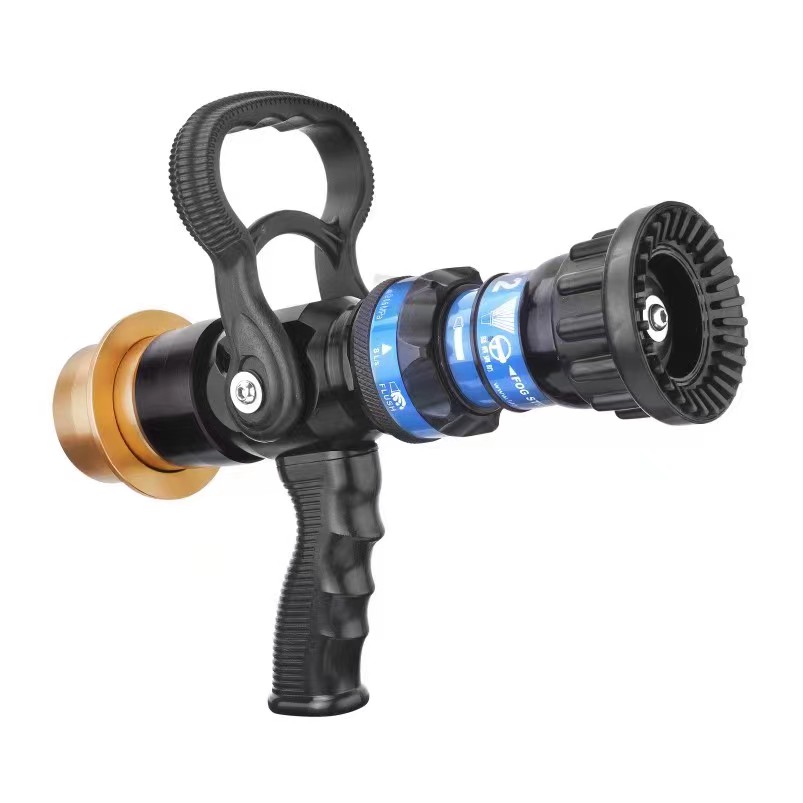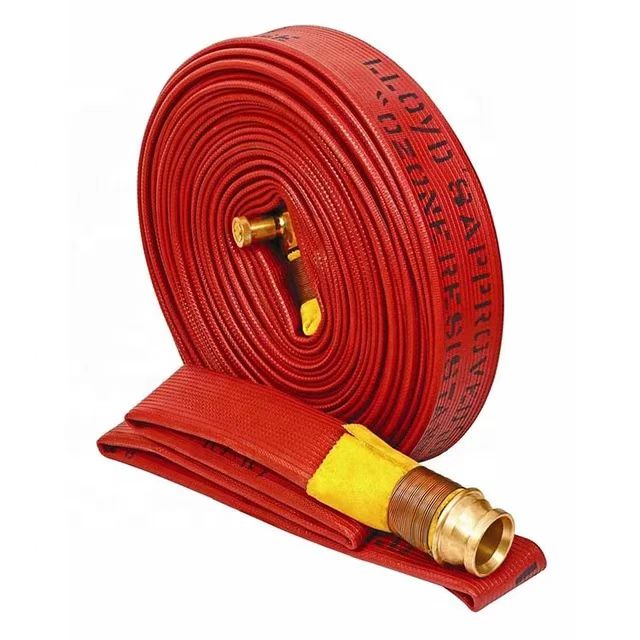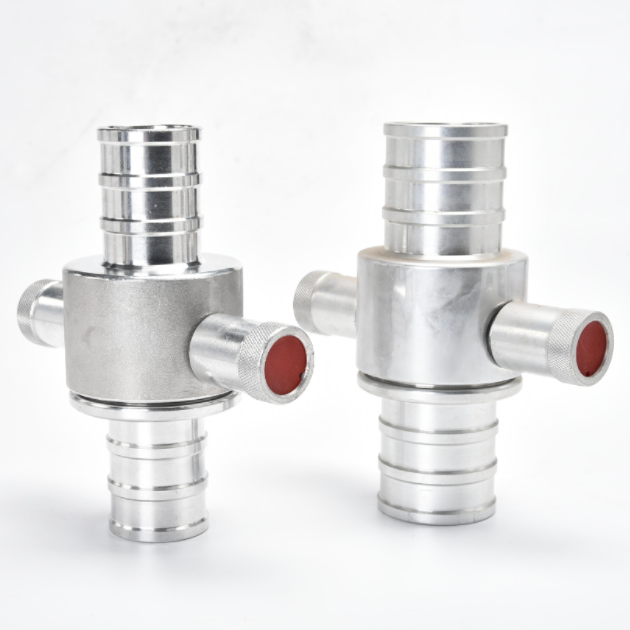
Firefighting technology has continuously evolved to address the challenges posed by different fire scenarios. Among the most pivotal advancements in this domain are multifunctional fire nozzles, which have significantly transformed firefighting techniques. These nozzles, equipped with diverse capabilities, offer firefighters enhanced efficiency, adaptability, and effectiveness in combating fires of varying complexity. In this article, we will explore the evolution, functionalities, benefits, and prospects of multifunctional fire nozzles.
Evolution of Firefighting Nozzles
Traditional firefighting nozzles were primarily designed to deliver water or firefighting agents in a standard manner, with limited adaptability to different fire situations. However, the need for more versatile firefighting equipment led to the development of multifunctional nozzles.
- Historical Progression: The concept of multifunctional fire nozzles dates back to the late 20th century when researchers and engineers began exploring ways to enhance nozzle capabilities beyond basic water delivery. Early adaptations included adjustable flow rates and spray patterns, allowing for some customization in firefighting operations.
- Technological Advancements: With advancements in materials science, fluid dynamics, and engineering, modern multifunctional fire nozzles have evolved significantly. These nozzles now incorporate advanced features, such as variable flow rates, adjustable spray patterns, foam delivery systems, misting capabilities, and even integrated sensors for real-time data collection.
Functionalities of Multifunctional Fire Nozzles
- Variable Flow Rates: Multifunctional nozzles allow firefighters to adjust the flow rate of water or firefighting agents, providing control over the amount of extinguishing agent delivered. This feature is crucial in managing different fire intensities and conserving resources.
- Adjustable Spray Patterns: These nozzles offer the flexibility to alter spray patterns, from solid streams to wide fog patterns or misting. This adaptability enables firefighters to tackle fires in diverse environments, such as enclosed spaces or open areas, with optimized efficiency.
- Foam Delivery Systems: Some multifunctional nozzles are equipped with mechanisms to introduce firefighting foam into the water stream. Foam application is effective in extinguishing flammable liquid fires and creating a barrier to prevent re-ignition.
- Integrated Sensors and Data Collection: Advanced multifunctional nozzles feature sensors that monitor parameters like temperature, air quality, and humidity in real time. This data aids firefighters in making informed decisions and adapting their strategies during firefighting operations.
- Smart Technology Integration: Emerging multifunctional nozzles are incorporating smart technologies, including remote control capabilities, wireless connectivity for data transmission, and integration with firefighting drones or robotic systems, enabling remote and precise firefighting operations.
Benefits of Multifunctional Fire Nozzles
- Enhanced Safety for Firefighters: The adaptability and control offered by multifunctional nozzles empower firefighters to work more safely and efficiently in hazardous environments. The ability to adjust spray patterns and flow rates aids in reducing exposure to heat and toxic gases.
- Improved Fire Suppression Efficiency: The versatility of these nozzles allows for tailored approaches in combating different types of fires, leading to more effective fire suppression and faster containment, thereby reducing property damage and potential casualties.
- Resource Conservation: Variable flow rates and optimized firefighting agent delivery provided by multifunctional nozzles enable better resource management, ensuring a more judicious use of water and firefighting agents during operations.
- Adaptability to Diverse Fire Scenarios: From structural fires to wildfires, industrial incidents, and hazardous material incidents, multifunctional fire nozzles can adapt to various fire scenarios, providing firefighters with versatile tools for effective firefighting.
- Advancement in Firefighting Tactics: The incorporation of smart technologies and data-driven capabilities in these nozzles facilitates the evolution of firefighting tactics, allowing for more strategic and efficient firefighting operations.
Future Prospects and Innovations
- Nanotechnology Applications: Researchers are exploring the integration of nanomaterials in nozzle construction to enhance firefighting capabilities. Nanotechnology offers the potential for improved heat resistance, increased durability, and enhanced firefighting agent delivery.
- Artificial Intelligence (AI) Integration: AI-powered multifunctional fire nozzles could analyze fire dynamics in real-time and autonomously adjust parameters for optimal firefighting outcomes, enabling quicker and more accurate responses.
- Sustainability and Eco-Friendly Agents: The focus on sustainability has led to research on eco-friendly firefighting agents compatible with multifunctional nozzles. Bio-degradable agents and environmentally conscious firefighting approaches are being explored to minimize ecological impacts.
- Miniaturization and Portability: Advancements in nozzle design aim to create smaller, portable, multifunctional nozzles that can be easily integrated into handheld devices or carried by individual firefighters, enhancing their flexibility and mobility during firefighting operations.
Conclusion
Multifunctional fire nozzles represent a paradigm shift in firefighting technology, offering firefighters enhanced capabilities, adaptability, and safety during operations. With their variable functionalities, smart integrations, and potential for further innovation, these nozzles are reshaping the future of firefighting.
As technology continues to advance and research progresses, the evolution of multifunctional fire nozzles is poised to revolutionize firefighting tactics, offering more efficient, data-driven, and sustainable approaches to combating fires across diverse scenarios. The continued exploration of new materials, smart integrations, and advanced functionalities will play a pivotal role in shaping the next generation of firefighting equipment.
By embracing these advancements and leveraging the capabilities of multifunctional fire nozzles, firefighting agencies, and professionals can enhance their firefighting strategies, improve safety measures, and mitigate the impact of fires on communities and the environment.