In the dynamic landscape of firefighting technology, where innovations constantly emerge to address evolving challenges, the role of traditional tools cannot be overlooked. Among these enduring firefighting tools, the traditional jet spray nozzle holds a significant place. While newer technologies continue to advance, the classic jet spray nozzle remains a steadfast choice in fire suppression. This article explores the distinctive features and advantages that make jet spray nozzles stand out in the crucial task of fire suppression.
Understanding the Traditional Jet Spray Nozzle: A Time-Tested Tool
Design and Functionality:
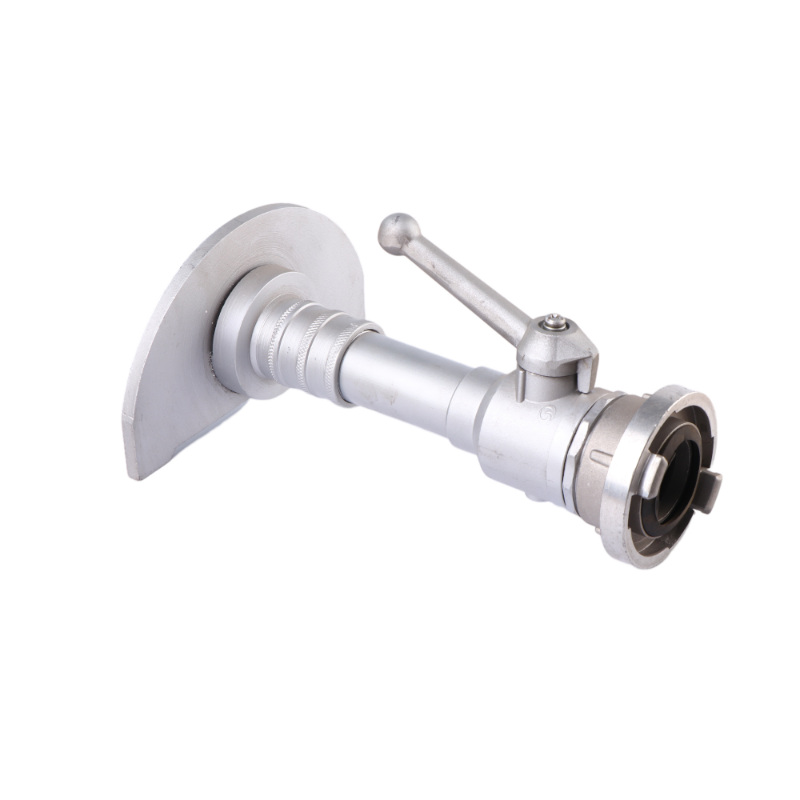
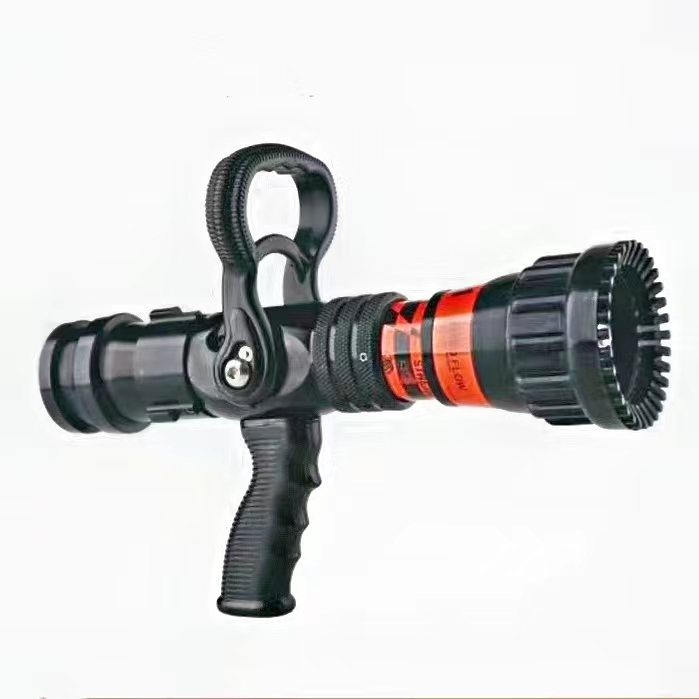
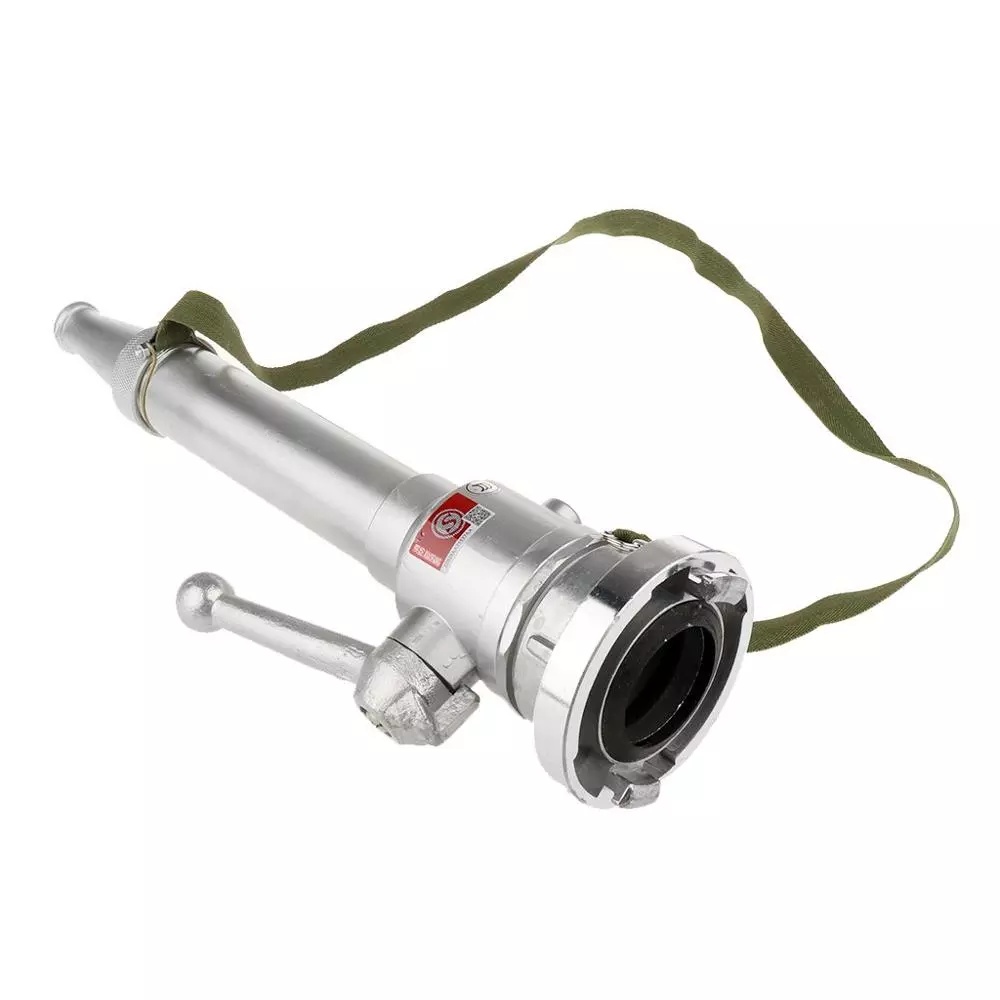
The traditional jet spray nozzle, often referred to simply as a fire hose nozzle, is a fundamental firefighting tool designed to control and direct the flow of water or firefighting foam. Its design is characterized by simplicity, durability, and effectiveness. The nozzle typically consists of a barrel, a control handle, and various settings to adjust the spray pattern and flow rate.
Key Components:
- Control Handle: The control handle of a jet spray nozzle serves as the interface between the firefighter and the water flow. By manipulating the control handle, firefighters can regulate the intensity and direction of the water stream.
- Adjustable Settings: Many traditional jet spray nozzles feature adjustable settings that allow firefighters to modify the spray pattern, ranging from a concentrated straight stream to a wide-angle spray. This adaptability is crucial in addressing different fire scenarios.
- Durability: Constructed from robust materials such as brass or aluminum, jet spray nozzles are designed to withstand the harsh conditions encountered in firefighting operations. Their durability ensures reliable performance even in challenging environments.
The Standout Features of Traditional Jet Spray Nozzles:
- Simplicity and Reliability:
One of the primary reasons jet spray nozzles stand out in fire suppression is their inherent simplicity and reliability. With fewer intricate components, these nozzles are less prone to malfunction, making them dependable tools in high-pressure situations.
The straightforward design also contributes to ease of use. Firefighters, even those with minimal training, can quickly grasp the operation of a jet spray nozzle. This simplicity is invaluable during emergencies when rapid deployment and effective water application are paramount.
- Versatility in Firefighting Scenarios:
Traditional jet spray nozzles are renowned for their versatility in addressing a wide range of firefighting scenarios. Whether combating structure fires, managing wildfires, or dealing with industrial incidents, the adjustable settings on these nozzles allow firefighters to tailor their approach to the specific demands of the situation.
In situations where a concentrated stream is needed to penetrate dense materials or reach elevated areas, the straight stream setting is employed. Conversely, the wide-angle spray pattern is effective for covering larger areas or creating a barrier to prevent the spread of fire. This adaptability makes traditional jet spray nozzles suitable for diverse fire suppression challenges.
- Controllable Water Flow:
The ability to control water flow is a crucial feature of jet spray nozzles. Firefighters can adjust the flow rate based on the intensity of the fire and the resources available. This control is essential not only for effective firefighting but also for water conservation in situations where excessive water flow may lead to runoff or property damage.
The controllable water flow also enables firefighters to manage the water supply efficiently. In scenarios where water sources are limited, the ability to regulate the flow rate ensures that the available water is used judiciously to maximize its impact on the fire.
- Durability in Harsh Conditions:
Firefighting environments can be extremely demanding, exposing equipment to heat, flames, and physical stress. Traditional jet spray nozzles are built with durability in mind, featuring materials that can withstand these challenging conditions.
Materials like brass and aluminum are commonly used for their resistance to corrosion and heat. This durability ensures that the nozzles remain operational even when exposed to high temperatures or harsh chemicals, providing firefighters with a reliable tool amid intense firefighting efforts.
- Low Maintenance Requirements:
In comparison to some of the more complex firefighting technologies, traditional jet spray nozzles have relatively low maintenance requirements. The robust construction and simplicity of their design contribute to a decreased likelihood of malfunctions, reducing the need for frequent repairs or replacements.
Fire departments and emergency responders benefit from the cost-effectiveness associated with low maintenance requirements. The longevity of jet spray nozzles, combined with minimal upkeep, makes them a practical choice for fire suppression equipment budgets.
- Immediate Deployment:
When responding to a fire emergency, time is of the essence. Traditional jet spray nozzles shine in their ability to be deployed rapidly. Their uncomplicated design allows firefighters to connect the nozzle to a fire hose and begin suppressing the fire without the delays that can be associated with more intricate technologies.
Immediate deployment is particularly critical in situations where a swift response can prevent the escalation of the fire. Jet spray nozzles, with their quick setup and straightforward operation, contribute to the rapid and efficient containment of fires.
- Compatibility with Existing Infrastructure:
Fire departments often operate with a combination of old and new equipment. Traditional jet spray nozzles are known for their compatibility with existing firefighting infrastructure. Fire hoses, hydrants, and water supply systems that have been in use for years can seamlessly integrate with these nozzles, ensuring a cohesive and interoperable firefighting strategy.
Compatibility also extends to training programs. Firefighters trained on jet spray nozzles can easily adapt their skills to various firefighting scenarios, promoting consistency and proficiency within firefighting teams.
- Cost-Effectiveness in Fire Departments:
While the firefighting landscape has witnessed the emergence of advanced technologies, the cost-effectiveness of traditional jet spray nozzles remains a compelling factor. Fire departments, especially those with budget constraints, appreciate the affordability and longevity of these nozzles.
The relatively lower initial cost, combined with minimal maintenance expenses, makes jet spray nozzles an attractive choice for fire departments seeking reliable firefighting tools without compromising fiscal responsibility. This cost-effectiveness allows fire departments to allocate resources strategically, ensuring a well-equipped firefighting force.
- Training Simplicity for Firefighters:
Training is a cornerstone of effective firefighting. Traditional jet spray nozzles offer training simplicity, allowing firefighters to quickly grasp the fundamentals of nozzle operation. This ease of training is invaluable in ensuring that firefighting personnel are proficient in using this fundamental tool.
The straightforward nature of jet spray nozzles simplifies training scenarios, enabling firefighters to focus on essential skills such as nozzle control, water flow regulation, and adapting to different firefighting environments. This simplicity contributes to the rapid and effective integration of new personnel into firefighting teams.
- Integration with Tactical Firefighting Strategies:
Traditional jet spray nozzles seamlessly integrate with tactical firefighting strategies employed by firefighting professionals. The ability to adjust spray patterns and flow rates aligns with strategic approaches to fire suppression, allowing firefighters to tailor their tactics based on the nature and location of the fire.
In tactical scenarios, such as interior firefighting or creating protective barriers, the versatility of jet spray nozzles becomes a strategic advantage. Firefighters can adapt their approach dynamically, responding to the changing dynamics of the fire and optimizing their firefighting efforts.
Conclusion: A Lasting Legacy in Fire Suppression
As the firefighting community embraces technological advancements, the traditional jet spray nozzle maintains its relevance and significance in the realm of fire suppression. Its simplicity, versatility, durability, and cost-effectiveness make it a timeless tool that has stood the test of time.
Fire departments and emergency responders continue to value the unique features of jet spray nozzles, recognizing their ability to deliver effective firefighting capabilities in diverse scenarios. The enduring appeal of these nozzles lies not only in their functionality but also in the confidence they instill in firefighters facing the unpredictable challenges of fire emergencies.
In the face of rapid technological evolution, the jet spray nozzle remains a symbol of reliability and a foundational element in the toolkit of firefighting professionals. Its ability to stand out in fire suppression reflects not only the enduring legacy of a time-tested tool but also the adaptability of firefighting practices that continue to draw on the strengths of proven, reliable equipment. As technology progresses, the traditional jet spray nozzle remains an integral part of the firefighting legacy, bridging the past and the future in the ongoing quest to protect lives, property, and communities from the destructive force of fire.