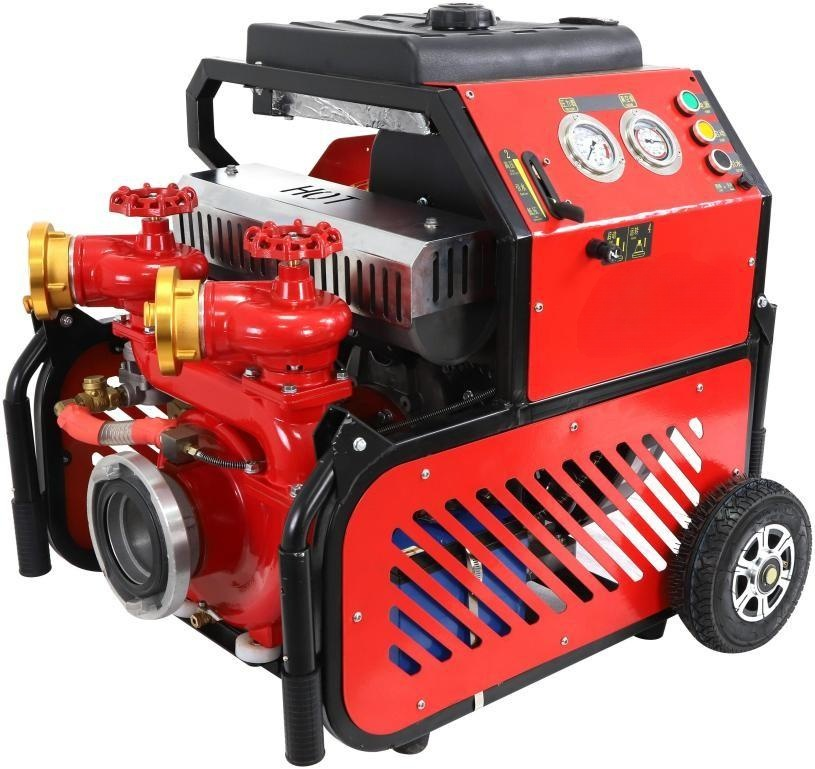
In the realm of firefighting and emergency response, the reliability of fire hydrants is paramount. These vital components of urban infrastructure serve as the first line of defense against fires, providing quick and efficient access to water for firefighting operations. Ensuring the integrity of fire hydrants is crucial for their effective functionality during emergencies. Among the various components contributing to hydrant integrity, the Machino Coupling Male Blank Cap plays a pivotal role. This article delves into the intricate details of how the Machino Coupling Male Blank Cap safeguards and ensures the integrity of fire hydrants.
Understanding the Machino Coupling Male Blank Cap: A Critical Component
Before exploring its role in hydrant integrity, it is essential to comprehend the Machino coupling’s design and purpose. The Machino Coupling is a standardized fire hose coupling used globally, known for its efficiency and reliability. The male blank cap is a specific component designed to cover and seal the male end of the coupling, preventing contaminants from entering and safeguarding the hydrant connection points when not in use.
Key Features of the Machino Coupling Male Blank Cap:
- Threaded Design: The Male Blank Cap features a threaded design that allows it to securely attach to the male end of the Machino Coupling. This threaded connection ensures a tight seal, preventing the entry of debris, dust, or other contaminants that could compromise the hydrant’s functionality.
- Durable Materials: Machino couplings are typically constructed from durable materials such as aluminum or brass. This durability is crucial for withstanding the rigors of outdoor exposure, weather variations, and potential impact, ensuring a long lifespan and reliable performance.
- User-Friendly Handling: The cap is designed for easy handling, with a user-friendly structure that allows firefighters and maintenance personnel to install and remove it efficiently. This simplicity is vital, especially during emergencies where quick access to hydrants is essential.
- Standardized Size: Machino Coupling Male Blank Caps adhere to standardized sizes, ensuring compatibility with Machino Couplings used in various fire hydrant systems. This standardization facilitates easy replacement and maintenance, streamlining the integration of these caps into existing firefighting infrastructure.
The Role of the Machino Coupling in Hydrant Integrity:
- Contaminant Prevention:
One of the primary functions of the Machino Coupling Male Blank Cap is to prevent contaminants from entering the hydrant system. When a fire hydrant is not actively in use, its exposed components can be susceptible to debris, dust, insects, or other foreign objects. These contaminants pose a threat to the hydrant’s internal mechanisms and can compromise water quality during firefighting operations.
The threaded design of the male blank cap ensures a secure closure, forming a protective barrier that prevents unwanted substances from entering the hydrant. This contaminant prevention is vital for maintaining the integrity of the hydrant’s internal components, such as valves and seals, ensuring they remain free from damage or obstruction.
- Weather Protection:
Fire hydrants are exposed to the elements year-round, facing harsh weather conditions ranging from scorching heat to cold. The Machino Coupling Male Blank Cap acts as a shield, providing weather protection to the male end of the coupling.
In extreme temperatures, the cap helps prevent the accumulation of ice or snow around the coupling threads, ensuring that the hydrant remains accessible even in freezing conditions. Additionally, the cap protects against corrosion caused by exposure to rain and moisture, contributing to the overall longevity and functionality of the hydrant.
- Preserving Thread Integrity:
The threads of a fire hydrant’s coupling are crucial for secure hose connections during firefighting operations. Any damage or degradation to these threads can hinder the rapid deployment of hoses, impeding the firefighting process. The Machino Coupling Male Blank Cap plays a vital role in preserving the integrity of these threads.
By securely covering the male end of the coupling, the cap shields the threads from physical damage, rust, or corrosion. This preservation of thread integrity ensures that when the cap is removed in an emergency, hose connections can be made swiftly and securely, allowing firefighters to access water without delays.

- Extending Service Life:
Fire hydrants are long-term investments for municipalities and fire departments. Proper maintenance and protection of hydrant components contribute to an extended service life, optimizing the return on investment. The Machino Coupling Male Blank Cap, by shielding the male end of the coupling, significantly contributes to this goal.
By preventing the entry of contaminants, protecting against weather-related damage, and preserving thread integrity, the cap helps ensure that the hydrant remains in optimal condition over the years. This extended service life reduces the frequency of repairs or replacements, minimizing downtime and associated costs for municipalities and fire departments.
- Ease of Inspection and Maintenance:
Routine inspection and maintenance are essential to guaranteeing the readiness of fire hydrants for emergency use. The Machino Coupling Male Blank Cap, with its user-friendly design, facilitates easy inspection and maintenance procedures.
During regular checks, firefighters or maintenance personnel can quickly assess the condition of the cap, ensuring that it is securely in place and free from damage. If replacement or maintenance is required, the standardized size of the cap allows for convenient and efficient procedures, contributing to the overall reliability of the hydrant system.
- Emergency Preparedness:
In emergencies, every second counts. The Machino Coupling Male Blank Cap plays a crucial role in emergency preparedness by ensuring that fire hydrants are ready for rapid deployment. When the cap is removed, the threads are preserved, and the hydrant is free from contaminants, allowing for quick and reliable hose connections.
This readiness is particularly significant in scenarios where firefighters must respond swiftly to contain and extinguish fires. The Machino coupling ensures that hydrants are in optimal condition, and ready to deliver the necessary water supply without delays, contributing to the overall effectiveness of emergency response efforts.
- Compliance with Standards:
Fire hydrants and their components, including Machino Coupling Male Blank Caps, must adhere to established standards and regulations. Compliance ensures that hydrants meet the necessary safety and performance requirements, instilling confidence in their reliability during emergencies.
The design and functionality of the Machino coupling align with industry standards, guaranteeing that it meets the stringent criteria set forth for fire hydrant components. Fire departments, municipalities, and regulatory bodies can trust that the use of these caps contributes to maintaining hydrant integrity by established norms.
Conclusion: Safeguarding the Backbone of Firefighting Infrastructure
In the intricate tapestry of firefighting infrastructure, fire hydrants stand as crucial elements, ready to deliver the life-saving resource of water during emergencies. Ensuring the integrity of these hydrants is a responsibility that extends to every component, and the Machino Coupling Male Blank Cap plays a pivotal role in safeguarding their functionality.
By preventing contaminants, providing weather protection, preserving thread integrity, extending service life, facilitating ease of inspection and maintenance, contributing to emergency preparedness, and complying with standards, the Machino Coupling stands as a silent guardian of fire hydrant integrity.
Fire departments, municipalities, and emergency responders recognize the significance of this seemingly simple yet indispensable component. As technology advances, the enduring role of the Machino Coupling Male Blank Cap in ensuring hydrant integrity underscores its status as a foundational element in the ongoing mission to protect lives, property, and communities from the destructive force of fire.