Introduction:
Firefighting is a critical and challenging profession that demands precision, efficiency, and the right equipment to ensure the safety of both firefighters and the community. One indispensable tool in a firefighter’s arsenal is the water hose, a lifeline that delivers the essential resource to combat raging infernos. In this article, we delve into the intricacies of what makes a high-performance firefighting water hose, exploring the key features, materials, and technologies that contribute to its effectiveness in the face of intense heat and flames.
Material Matters:
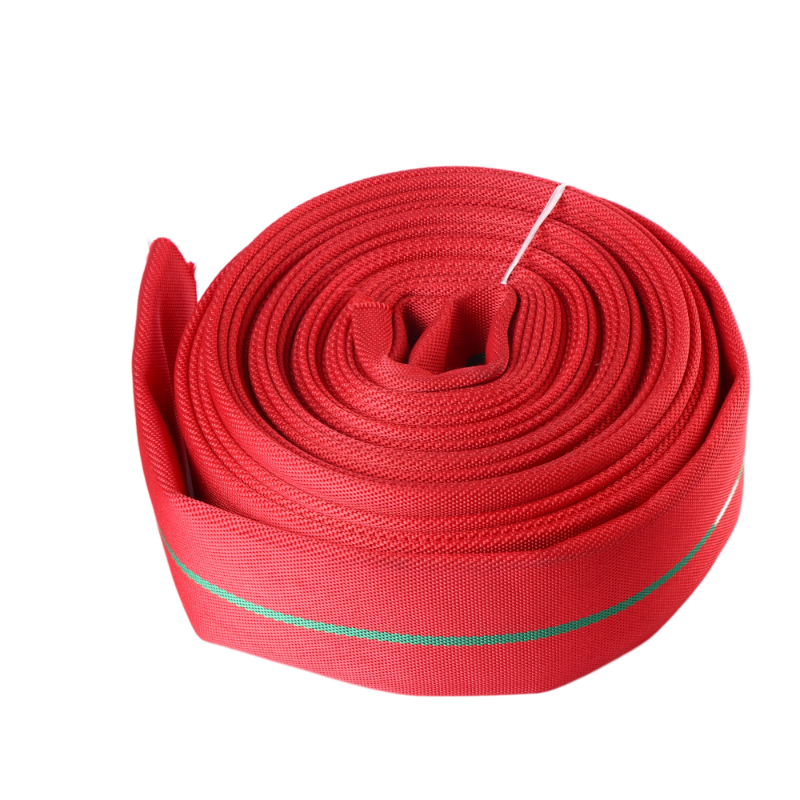
The first and foremost consideration in crafting a high-performance firefighting water hose is the choice of materials. Traditionally, hoses were made from rubber, but advancements in technology have introduced materials like thermoplastic, polyurethane, and even synthetic fibers. Each material comes with its own set of advantages, such as heat resistance, durability, and flexibility. We explore the pros and cons of different materials and how they impact the overall performance of the hose.
Pressure and Flow Rate:
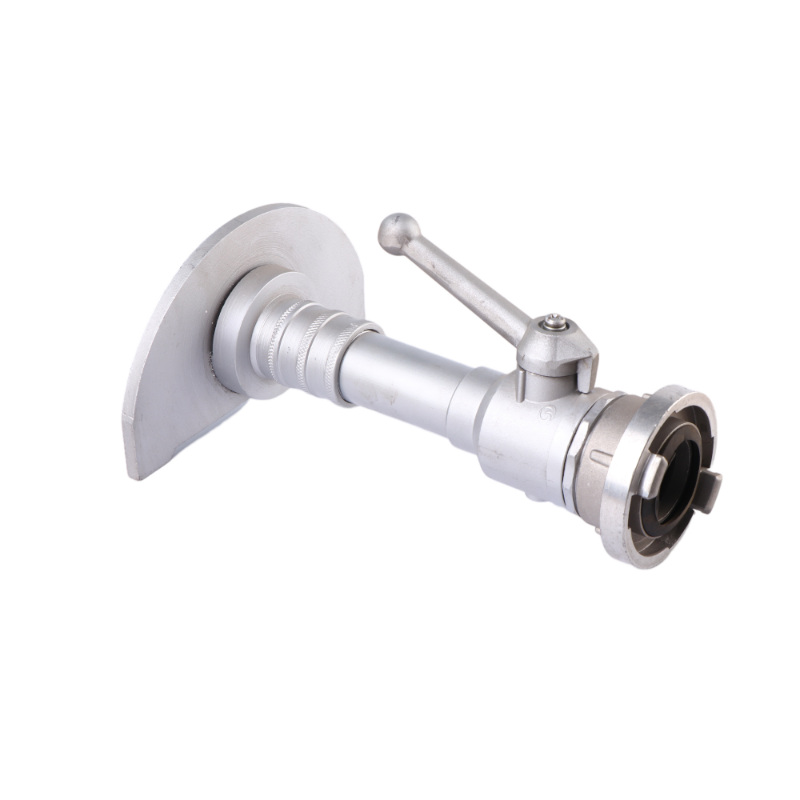
The ability to deliver water with sufficient pressure and flow rate is crucial in firefighting scenarios. High-pressure hoses enable firefighters to reach greater heights and distances, ensuring that water reaches the heart of the fire. We discuss the engineering behind achieving optimal pressure and flow rate, taking into account the design of the hose, nozzle attachments, and pump systems.
Durability in Extreme Conditions:
Firefighters often find themselves in extreme conditions where the hose is subjected to intense heat, sharp debris, and rough handling. A high-performance firefighting water hose must be designed to withstand these challenges. We explore the innovations in hose construction that enhance durability, such as reinforced layers, abrasion-resistant coatings, and specialized weaves that protect against punctures.
Flexibility and Maneuverability:
The ability to navigate through complex and dynamic environments is crucial for firefighters. A rigid or cumbersome hose can hinder their effectiveness. We examine the importance of flexibility and maneuverability in a firefighting water hose, looking at how advancements in design and materials contribute to hoses that can bend, twist, and snake through tight spaces without compromising performance.
Resistance to Chemicals and Contaminants:
Firefighting water hoses encounter not only extreme heat and flames but also a variety of chemicals and contaminants present in the environment. A high-performance hose must be resistant to these substances to maintain its integrity and functionality. We explore the chemical-resistant coatings and treatments that enhance the hose’s ability to withstand exposure to hazardous materials.
Integration of Technology:
The modern firefighting water hose is not just a passive conduit; it can be equipped with technology to enhance its performance. Smart hoses with integrated sensors, monitoring systems, and communication capabilities are becoming more prevalent. We delve into how technology is transforming firefighting hoses into intelligent tools that provide real-time data to firefighters, improving situational awareness and overall effectiveness.
Testing and Standards:
Ensuring the reliability of firefighting water hoses requires rigorous testing and adherence to industry standards. We discuss the testing protocols that hoses undergo to assess their performance under various conditions. Additionally, we explore the role of organizations and standards bodies in establishing guidelines that govern the manufacturing and use of high-performance firefighting hoses.
Maintenance and Longevity:
A firefighting water hose is an investment in the safety and effectiveness of firefighting operations. Proper maintenance is crucial to ensuring longevity and reliable performance when needed. We provide insights into best practices for hose care, storage, and routine inspections that can extend the life of the hose and contribute to its high performance over time.
Features of Firefighting Water Hose
High-performance firefighting water hoses boast a range of features that collectively contribute to their effectiveness in combating fires. These features are carefully designed and engineered to meet the specific demands and challenges faced by firefighters in their line of duty. Let’s delve into the key features that define a high-performance firefighting water hose:
Material Composition:
- Thermoplastic: Offers flexibility and resistance to abrasions, making it suitable for various firefighting scenarios.
- Polyurethane: Combines flexibility with durability, maintaining its integrity under extreme conditions.
- Synthetic Fibers: Reinforce the hose, providing strength and preventing ruptures during use.
High Pressure and Flow Rate:
- Engineered Design: The hose is designed to handle high pressure, ensuring a powerful and controlled water flow.
- Optimized Nozzle Attachments: Enhance pressure and control, allowing firefighters to tailor water delivery based on the fire’s intensity.
Durability Enhancements:
- Reinforced Layers: Multiple layers of materials, such as textiles or wire, add strength and resistance to tearing or puncturing.
- Abrasion-Resistant Coatings: Protect the hose from damage caused by contact with rough surfaces or debris.
- Specialized Weaves: Improve durability without compromising flexibility, crucial for navigating challenging environments.
Flexibility and Maneuverability:
- Innovative Hose Design: This enables the hose to bend, twist, and navigate tight spaces without compromising water flow.
- Joint Technology: Facilitates smooth movement, ensuring firefighters can effectively direct the water where it is needed most.
Chemical and Contaminant Resistance:
- Specialized Coatings: Protect against exposure to chemicals and contaminants commonly encountered in firefighting environments.
- Material Selection: Ensures the hose remains unaffected by substances that could compromise its integrity.
Conclusion:
In the demanding world of firefighting, where every second counts, a high-performance water hose is more than just a tool – it’s a lifeline. The constant evolution of materials, design, and technology ensures that firefighters are equipped with hoses that can withstand the toughest challenges. By understanding the intricacies of what makes a high-performance firefighting water hose, we can appreciate the engineering marvels that contribute to the safety and success of firefighting operations worldwide.