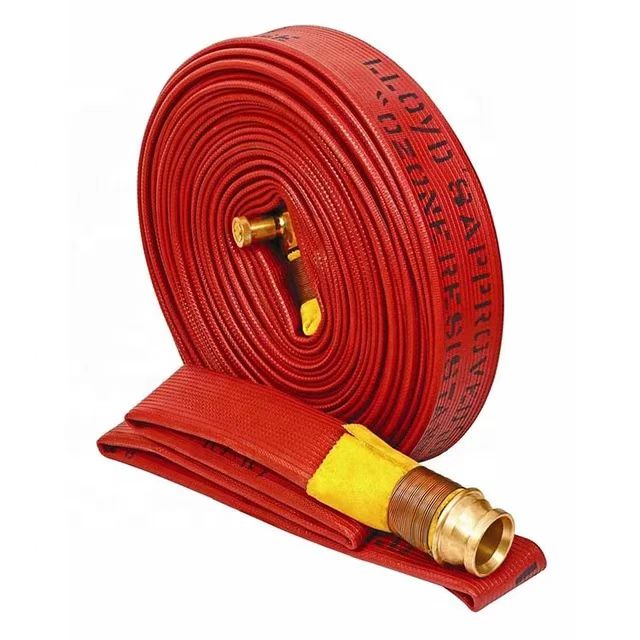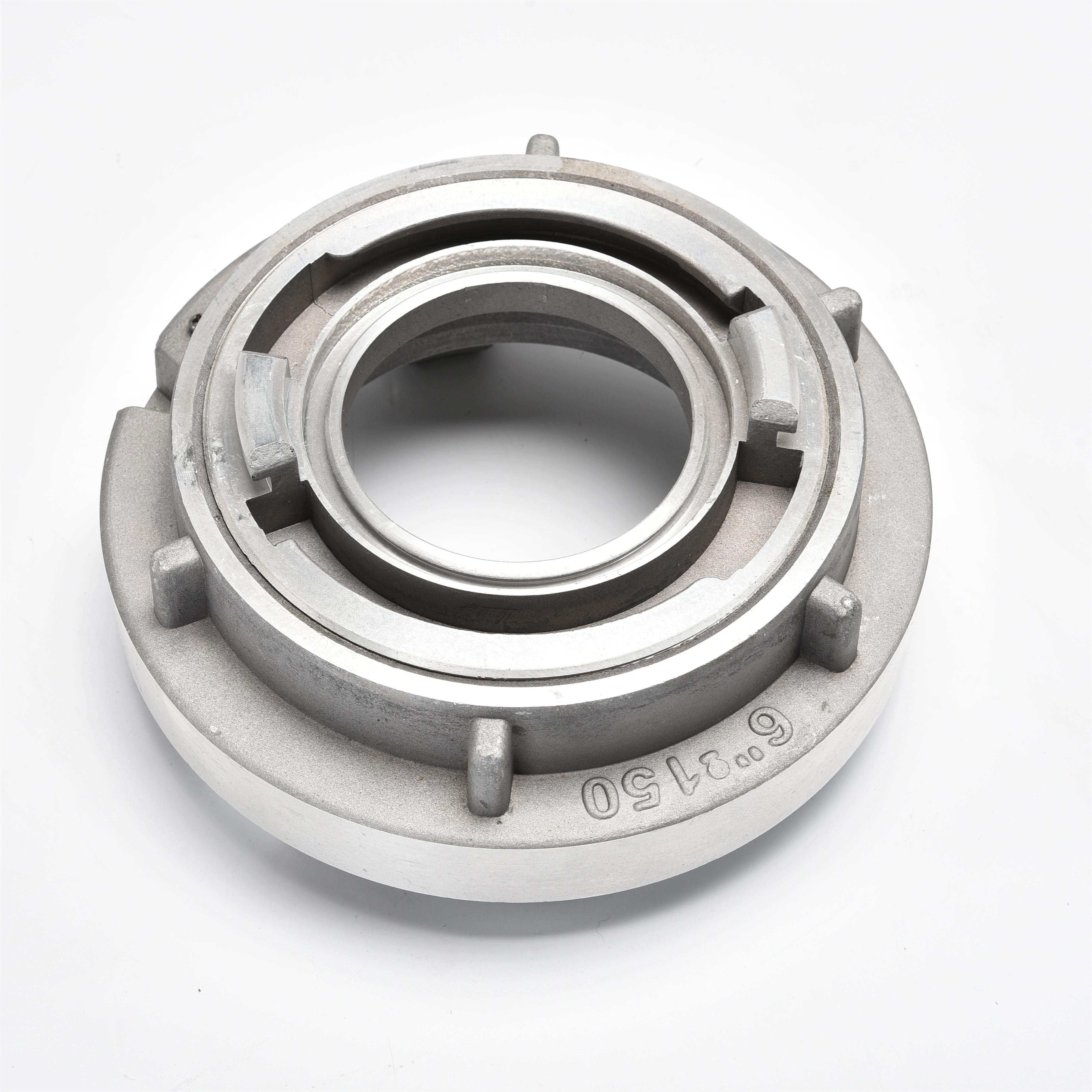
In the realm of firefighting, where every second counts and precision is paramount, having reliable equipment is not just a matter of convenience; it’s a matter of life and death. Among the many components that make up a firefighter’s arsenal, BS336 couplings stand out as crucial elements that often go unnoticed by the general public but play a vital role in ensuring the efficiency and effectiveness of firefighting operations. In this article, we delve into the world of BS336 couplings, exploring their significance, functionality, and the role they play as the backbone of efficient firefighting equipment.
Understanding BS336 Couplings
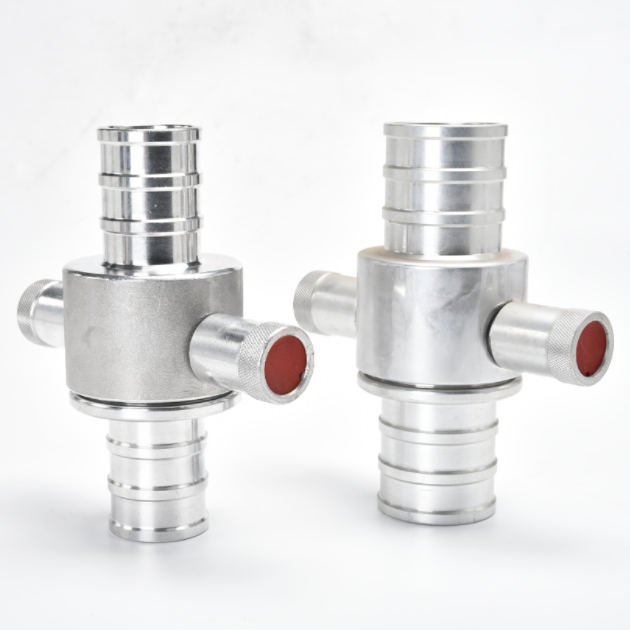
BS336 couplings, also known as British instantaneous couplings, are widely used in firefighting operations across the globe. They are designed to quickly and securely connect hoses to hydrants, pumps, nozzles, and other firefighting equipment. The design of BS336 couplings allows for rapid deployment and easy connection, enabling firefighters to respond swiftly to emergencies without wasting precious time.
These couplings adhere to British Standard 336, which sets the specifications for their dimensions, materials, and performance requirements. This standardization ensures compatibility and interchangeability between different manufacturers’ products, facilitating seamless integration into firefighting systems and enhancing operational efficiency.
Features and Benefits
BS336 couplings are engineered with several features that make them indispensable in firefighting scenarios. One of their key attributes is their robust construction, typically made from durable materials such as aluminum alloy or brass. This rugged design enables them to withstand the rigors of firefighting environments, including extreme temperatures, pressure fluctuations, and physical impacts.
Moreover, BS336 couplings are engineered for ease of use, featuring a user-friendly interface that allows firefighters to quickly connect and disconnect hoses with minimal effort. Their instant locking mechanism ensures a secure connection, preventing leaks and maintaining a consistent flow of water or firefighting agents. This reliability is crucial in high-pressure situations where any delay or malfunction could have catastrophic consequences.
Another advantage of BS336 couplings is their versatility. They come in various sizes and configurations to accommodate different hose diameters and thread types, allowing for flexibility in firefighting operations. Whether it’s connecting hoses to hydrants, joining multiple hoses together, or attaching nozzles for targeted firefighting, BS336 couplings offer a versatile solution that adapts to the specific needs of each situation.
Applications in Firefighting
BS336 couplings find application in a wide range of firefighting scenarios, from urban firefighting operations to industrial incidents and wildland fires. In urban environments, where access to water sources such as hydrants is readily available, these couplings are used to establish connections between fire hoses and municipal water supplies. Their quick-connect design enables firefighters to rapidly set up hose lines and deliver water to extinguish fires effectively.
In industrial settings, where specialized equipment and hazardous materials pose unique challenges, BS336 couplings play a crucial role in facilitating firefighting efforts. Whether it’s combating chemical fires, controlling oil spills, or suppressing fires in manufacturing facilities, these couplings provide a reliable means of delivering firefighting agents safely and efficiently.
Moreover, BS336 couplings are invaluable in wildland firefighting operations, where rugged terrain and remote locations present significant obstacles. Firefighters rely on portable pumps and water tanks to establish makeshift water sources, and BS336 couplings enable them to quickly connect hoses to these systems, extending their reach and effectiveness in combating wildfires.
Innovations and Future Trends
While BS336 couplings have remained a staple in firefighting equipment for decades, ongoing innovations in materials and design are driving improvements in their performance and reliability. Manufacturers are exploring advanced materials such as composite alloys and high-strength polymers to enhance durability and reduce weight without compromising strength.
Furthermore, advancements in digital technology are transforming firefighting equipment, including couplings, through the integration of sensors, telemetry, and connectivity features. Smart couplings equipped with sensors can provide real-time data on water flow rates, pressure levels, and connection status, allowing firefighters to monitor and optimize their operations more effectively.
Looking ahead, the evolution of BS336 couplings is likely to continue in response to emerging challenges such as climate change, urbanization, and technological advancements. From enhanced durability and compatibility to intelligent functionality and interoperability, the future of BS336 couplings holds promise for further improving firefighting capabilities and saving lives.
Conclusion
BS336 couplings may not always be in the spotlight, but their importance in firefighting cannot be overstated. As the backbone of efficient firefighting equipment, these couplings play a vital role in ensuring the rapid deployment, secure connection, and effective operation of fire hoses in diverse scenarios. With their robust construction, ease of use, and versatility, BS336 couplings empower firefighters to tackle emergencies with confidence, safeguarding lives, property, and the environment. As technology continues to evolve and new challenges emerge, BS336 couplings will remain indispensable tools in the firefighting arsenal, embodying the spirit of innovation and resilience that defines the firefighting profession.