Introduction:
In the realm of fire safety, technological advancements play a crucial role in improving the efficiency and effectiveness of firefighting efforts. One such innovation that has garnered significant attention is the automatic fire nozzle. These sophisticated devices have revolutionized traditional firefighting methods by introducing automation and precision. In this article, we will explore the key features and benefits of automatic fire nozzles, shedding light on how they enhance firefighting efficiency.
Understanding Automatic Fire Nozzles:
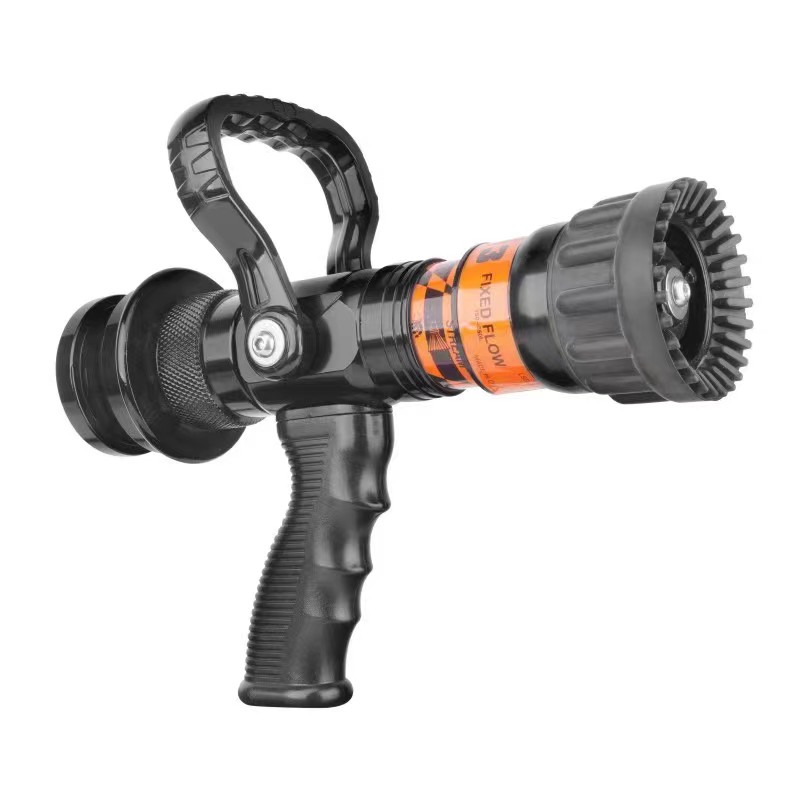
Automatic Gallonage fire nozzles represent a leap forward in fire suppression technology. Unlike conventional nozzles that require manual operation, automatic nozzles are equipped with sensors and mechanisms that respond to changes in the surrounding environment. This advanced functionality allows them to activate and adjust water flow without human intervention, making them a valuable asset in emergencies.
Precision in Action:
One of the primary ways automatic fire nozzles enhance firefighting efficiency is through precision in water delivery. These nozzles are designed to deliver a controlled and targeted stream of water directly to the source of the fire. The ability to precisely aim the water stream ensures that the firefighting efforts are maximally effective, minimizing water waste and collateral damage.
Rapid Response Time:
Efficiency in firefighting often hinges on how quickly first responders can address a developing fire. Automatic Gallonage fire nozzles significantly contribute to reducing response times. With their ability to detect heat, smoke, or flames, these nozzles can initiate water discharge almost instantaneously upon detecting signs of a fire. This rapid response is critical to containing and extinguishing fires before they escalate.
Minimizing Water Wastage:
Water conservation is a growing concern globally, and firefighting is no exception. Traditional firefighting methods may involve indiscriminate water spraying, leading to significant waste. Automatic fire nozzles, however, optimize water usage by delivering the right amount of water precisely where it is needed. This not only enhances efficiency but also aligns with sustainable practices in firefighting.
Integration with Smart Systems:
In the era of smart technology, automatic fire nozzles are often integrated into sophisticated fire suppression systems. These systems leverage artificial intelligence and the IoT (Internet of Things) to create intelligent networks that can respond dynamically to changing fire conditions. This integration enhances the overall efficiency of firefighting operations, allowing for a more proactive and adaptive approach.
Adaptability to Various Environments:
Firefighting scenarios can vary widely, from residential buildings to industrial complexes. Automatic fire nozzles are designed to be adaptable to different environments and fire types. Whether dealing with a small kitchen fire or a large-scale industrial blaze, these nozzles can adjust their operation to suit specific circumstances, demonstrating versatility in enhancing overall firefighting efficiency.
Reducing Firefighter Exposure to Risk:
The safety of firefighters is paramount in any firefighting operation. Automatic Gallonage fire nozzles contribute to risk reduction by minimizing the need for firefighters to be near the flames. The automated nature of these nozzles allows firefighting personnel to operate from a safer distance while still maintaining effective control over the suppression process.
Training and Familiarization:
Implementing automatic Gallonage fire nozzles requires proper training and familiarization for firefighting teams. This section will delve into the importance of training programs to ensure that personnel are well-versed in the operation, maintenance, and troubleshooting of automatic fire nozzle systems. Additionally, it will explore the role of continuous learning and adaptation in optimizing the use of these advanced firefighting tools.
Case Studies: Real-world Applications:
To illustrate the practical impact of automatic Gallonage fire nozzles, this section will present case studies of real-world applications. These examples will highlight instances where the deployment of automatic fire nozzles led to successful fire suppression, emphasizing the enhanced efficiency and positive outcomes achieved in diverse situations.
Future Prospects and Collaborations:
Looking ahead, the integration of automatic Gallonage fire nozzles into broader smart city initiatives and collaborations with technology companies holds immense potential. Municipalities and firefighting agencies can explore partnerships with tech innovators to develop more advanced sensor technologies, predictive analytics, and real-time communication systems. This collaborative approach could further enhance the capabilities of automatic fire nozzles, making them even more responsive and adaptive to emerging challenges.
Public Awareness and Acceptance:
As with any new technology, public awareness and acceptance play a crucial role in its successful implementation. This section will discuss the importance of educating the public about the benefits of automatic Gallonage fire nozzles and addressing any concerns related to their use. Building trust in these advanced firefighting systems is essential for widespread adoption and effective community fire safety.
Conclusion:
In conclusion, automatic fire nozzles represent a significant leap forward in the realm of firefighting technology. Their ability to provide precision, rapid response, water conservation, and adaptability to various environments showcases how these devices enhance firefighting efficiency. As technology continues to evolve, it is clear that automatic fire nozzles will play a pivotal role in shaping the future of firefighting, contributing to safer and more effective emergency response strategies.