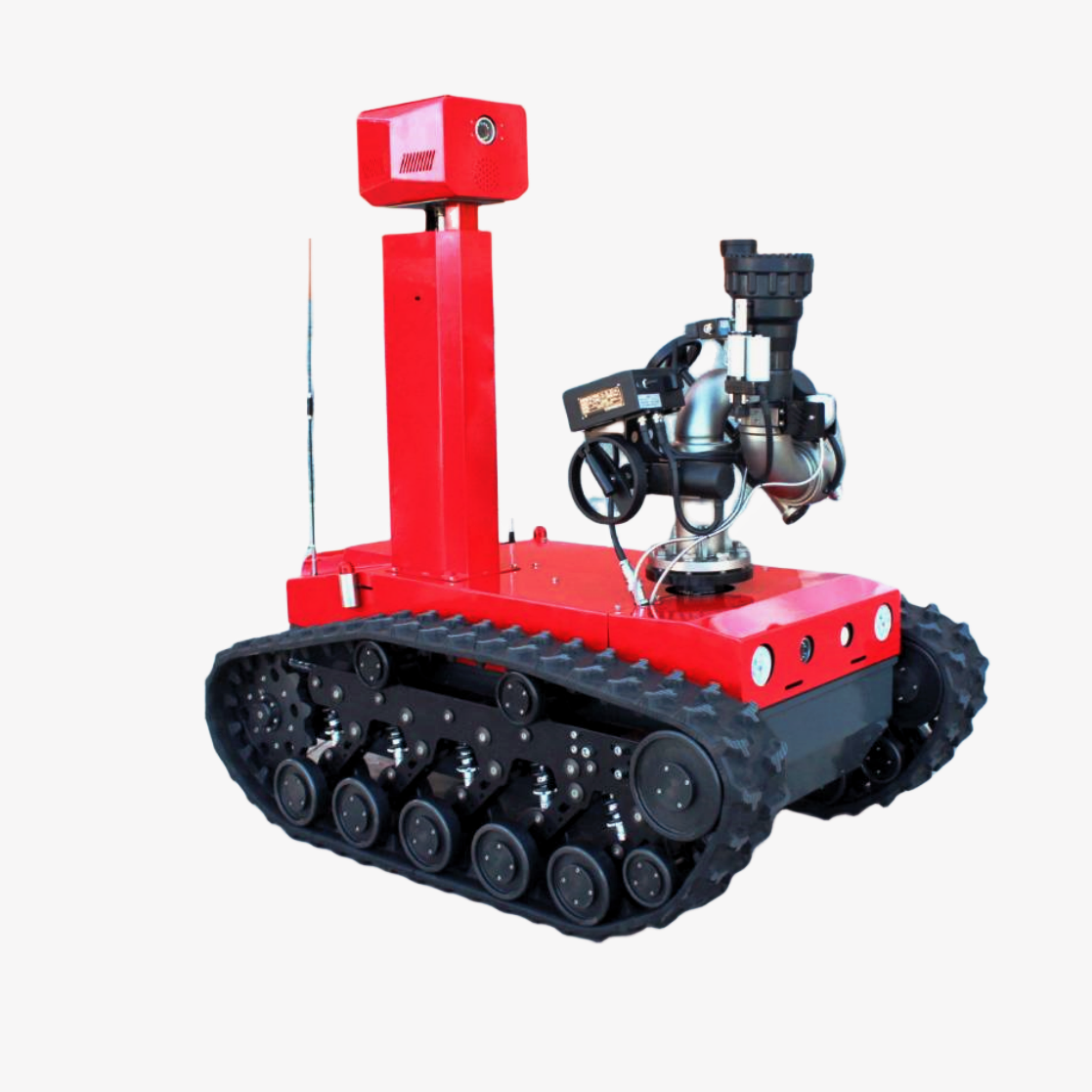
In recent years, technological advancements have been transforming various industries, and firefighting is no exception. One remarkable innovation making waves in the firefighting community is the Multifunctional Fire Robot Fire Tank. This cutting-edge technology promises to revolutionize the way we approach and combat fires. In this in-depth exploration, we will delve into the workings of the Multifunctional Fire Robot Fire Tank, understanding its key features, capabilities, and the impact it can have on firefighting strategies.
Introduction
The Multifunctional Fire Robot Fire Tank is a sophisticated piece of machinery designed to address the challenges faced by firefighters in tackling diverse fire scenarios. Before delving into its intricacies, let’s first understand the need for such innovative solutions in firefighting.
The Need for Innovation in Firefighting
Traditional firefighting methods have served humanity for decades, but the evolving nature of fires, along with the increasing complexity of modern structures, demands a more advanced and versatile approach. The Multifunctional Fire Robot Fire Tank emerges as a response to this need, offering a range of features that can enhance the efficiency and safety of firefighting operations.
Key Features of the Multifunctional Fire Robot Fire Tank
- Autonomous Navigation: One of the standout features of the Multifunctional Fire Robot Fire Tank is its ability to navigate autonomously through challenging environments. Equipped with advanced sensors and artificial intelligence, the robot can assess its surroundings, identify potential hazards, and choose the optimal path for firefighting tasks.
- Fire Detection Systems: The robot is fitted with state-of-the-art fire detection systems that can identify the presence of flames, smoke, and heat. This early detection capability is crucial in preventing the escalation of fires and allows for a swift response.
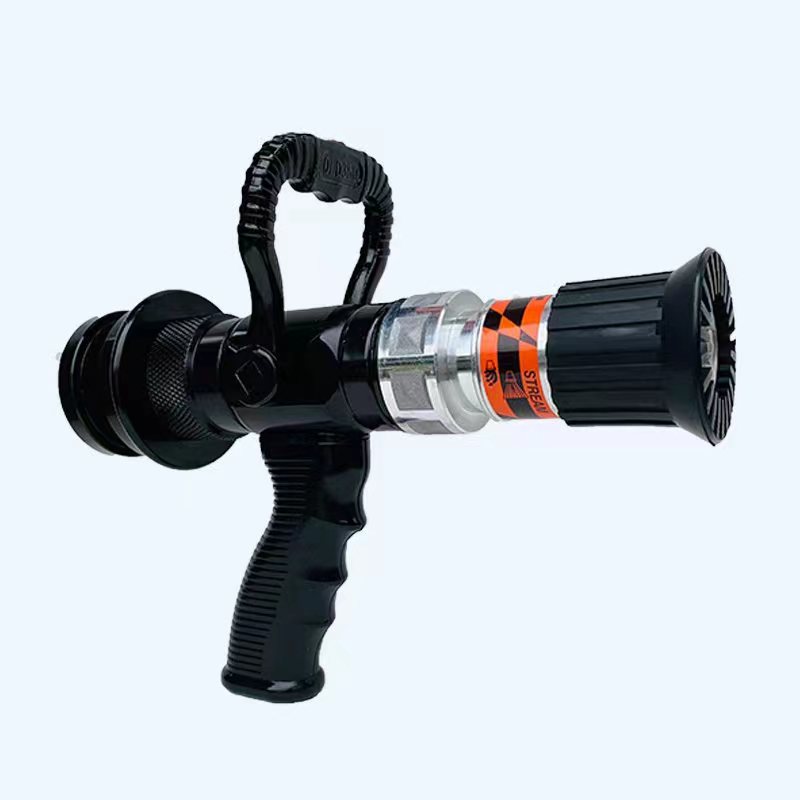
- Multifunctional Nozzles: The fire tank is equipped with multifunctional nozzles that can disperse various firefighting agents, including water, foam, and other suppressants. This versatility enables the robot to adapt to different types of fires, from electrical to chemical, providing a tailored approach to extinguishing flames.
- Remote Operation: While capable of autonomous operation, the Multifunctional Fire Robot Fire Tank can also be remotely operated by firefighters. This feature allows human intervention when necessary, providing flexibility in firefighting strategies.
- Real-time Data Transmission: The robot is designed to transmit real-time data to firefighting command centers. This includes live video feeds, environmental conditions, and the status of the firefighting operation. Such data is invaluable for making informed decisions and coordinating efforts effectively.
Operational Workflow of the Multifunctional Fire Robot Fire Tank
Understanding the step-by-step operational workflow of the Multifunctional Fire Robot Fire Tank is essential to grasp how it functions seamlessly during firefighting missions.
- Deployment: Upon receiving an emergency call, the robot is deployed to the incident site. Its autonomous navigation system allows it to reach the location swiftly, avoiding obstacles and hazards.
- Environment Assessment: Once on-site, the robot assesses the environment using its sensors. This assessment includes identifying the source and intensity of the fire, as well as potential risks such as structural instability or hazardous materials.
- Fire Detection and Classification: The fire detection systems come into play, accurately identifying the type of fire based on the detected elements. This information is crucial for determining the most effective firefighting agents to deploy.
- Suppression Tactics: The Multifunctional Fire Robot Fire Tank employs its multifunctional nozzles to suppress the fire. Whether it’s a water-based approach for conventional fires or specialized agents for unique situations, the robot adapts its tactics accordingly.
- Continuous Monitoring: Throughout the firefighting operation, the robot continuously monitors the environment for changes. This includes assessing the effectiveness of suppression efforts and ensuring the safety of surrounding areas.
- Remote Intervention: In situations that require human intervention or decision-making, firefighters can take control remotely. This feature allows for a collaborative approach, combining the strengths of both man and machine.
- Data Transmission: Real-time data, including video feeds and environmental conditions, is transmitted to the firefighting command center. This data aids in decision-making, resource allocation, and overall coordination of the firefighting operation.
Advantages
- Enhanced Safety: By replacing or supplementing human involvement in dangerous firefighting situations, the robot significantly enhances the safety of responders.
- Faster Response Times: The autonomous and swift navigation of the robot allows for faster response times, crucial in containing fires before they escalate.
- Versatility: The ability to disperse various firefighting agents makes the robot versatile and capable of handling different types of fires effectively.
- Remote Operation: The option for remote operation provides flexibility in firefighting strategies, allowing for human intervention when needed.
Future Developments and Collaborations
The Multifunctional Fire Robot Fire Tank is not a stagnant technology; ongoing research and development are essential for its continuous improvement. Collaboration between robotics experts, AI researchers, and firefighting professionals will play a pivotal role in refining the technology and addressing its limitations.
Sensor Technology Advancements:
Improvements in sensor accuracy and reliability are crucial for enhancing the robot’s ability to navigate complex environments and make informed decisions during firefighting operations.
Integration with AI Algorithms:
Advancements in artificial intelligence algorithms will contribute to the robot’s decision-making capabilities. Machine learning models can be trained to better identify fire types, assess risks, and optimize suppression strategies.
Human-Robot Collaboration:
The future holds the promise of seamless collaboration between human firefighters and robots. Research in human-robot interaction will lead to more intuitive interfaces, allowing firefighters to control and coordinate with the Multifunctional Fire Robot Fire Tank effortlessly.
Conclusion
In conclusion, the Multifunctional Fire Robot Fire Tank stands at the forefront of technological innovation in firefighting. Its autonomous navigation, advanced detection systems, and multifunctional capabilities make it a powerful tool in the hands of firefighters. While challenges exist, the potential benefits, including enhanced safety and faster response times, position this technology as a promising asset in the ongoing battle against fires. As research and development in robotics and artificial intelligence continue, the future holds exciting possibilities for the evolution of firefighting strategies, with the Multifunctional Fire Robot Fire Tank leading the way.