Introduction:
Electric high pressure water pumps play a pivotal role in various industries and applications, offering efficient means of generating intense water pressure for cleaning, irrigation, firefighting, and numerous other tasks. Understanding the functionality of these pumps is essential to appreciate their significance and operational principles.
Overview of Electric High Pressure Water Pumps:
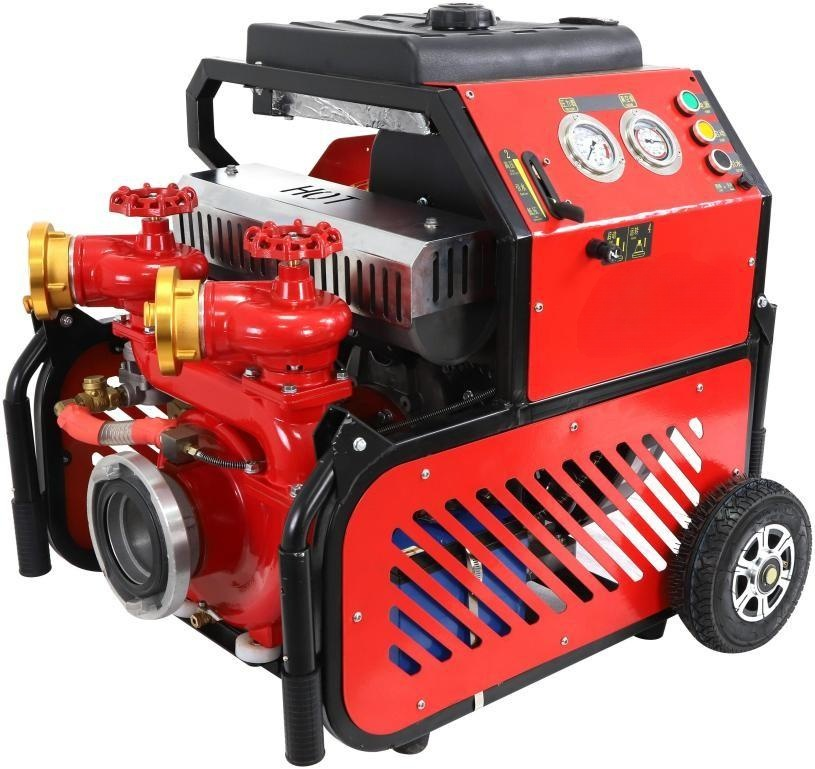
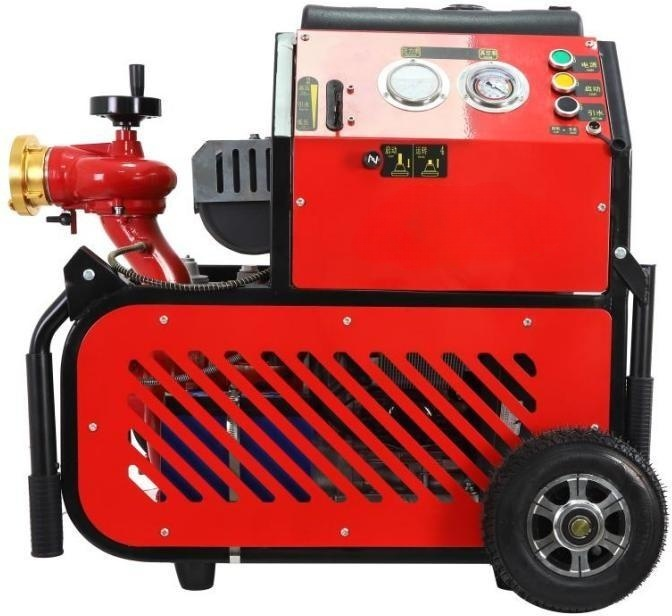
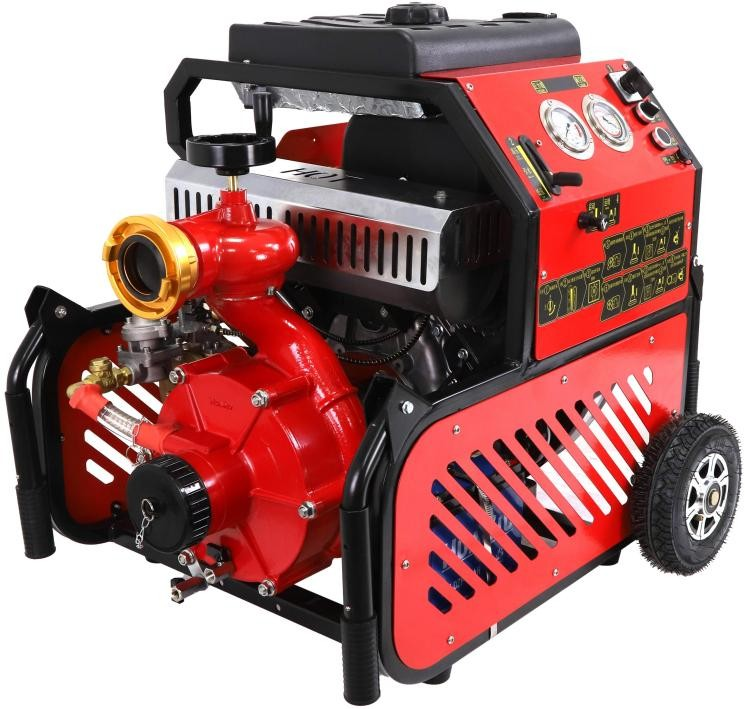
Electric high-pressure water pumps are intricate systems designed to increase water pressure significantly from a lower inlet pressure to a higher outlet pressure. They operate using an electric motor to drive the pump, creating a force that moves water through the pump and amplifies its pressure. These pumps are commonly employed in agricultural, industrial, commercial, and residential settings due to their versatility and effectiveness in delivering high-pressure water.
Components of an Electric High Pressure Water Pump:
- Electric Motor: The heart of the pump, the electric motor, converts electrical energy into mechanical energy, powering the pump’s operation.
- Pump Assembly: This comprises various components, including impellers, housing, seals, and valves, working synergistically to increase water pressure. Impellers rotate within the housing, drawing water in and then forcefully expelling it at a higher pressure.
- Pressure Regulating Mechanism: Some pumps are equipped with pressure regulating systems to control the output pressure according to specific requirements.
Operational Mechanism:
The operation of an electric high pressure water pump involves several stages:
- Water Intake: The pump draws water from a source, typically a reservoir or a water supply system, through an inlet.
- Pressure Generation: As the electric motor powers the pump assembly, the impellers start rotating, creating a centrifugal force that pressurizes the water.
- Pressure Amplification: The rotating impellers accelerate the water, imparting kinetic energy and raising its pressure significantly. The water is then expelled through the outlet at a much higher pressure than the intake.
- Output: The high-pressure water is directed through hoses or pipes to the intended application, such as high-pressure cleaning, agricultural irrigation, or industrial processes.
Applications and Industries:
Electric high pressure water pumps find extensive usage in various sectors:
- Cleaning and Surface Preparation: They are employed in pressure washing for vehicle cleaning, building facades, sidewalks, and equipment in industries such as automotive, construction, and manufacturing.
- Agriculture: These pumps facilitate efficient irrigation systems, delivering pressurized water to fields, crops, and greenhouses.
- Firefighting: They play a crucial role in firefighting equipment, delivering high-pressure water to combat fires effectively.
- Industrial Processes: Many industries rely on high-pressure water pumps for tasks like cutting, descaling, and hydrostatic testing due to their precision and force.

Advantages of Electric High Pressure Water Pump:
- Versatility: These pumps are incredibly versatile and find applications across various industries, from agriculture and construction to manufacturing and firefighting. They can be used for tasks like cleaning, irrigation, descaling, and high-pressure water cutting.
- Efficiency: Electric high-pressure water pumps are highly efficient at generating intense water pressure. They can significantly amplify the water pressure from a lower inlet to a much higher outlet pressure, allowing for effective cleaning or distribution of water in irrigation systems.
- Precision and Effectiveness: They offer precision in delivering high-pressure water streams, making them ideal for tasks requiring accurate and forceful water jets. This precision enhances their effectiveness in cleaning surfaces or performing tasks like cutting and descaling in industrial processes.
- Environmentally Friendly: As they primarily utilize water as the cleaning agent, these pumps reduce reliance on chemical cleaners, thus minimizing environmental impact. Additionally, they help conserve water by efficiently distributing pressurized water where needed.
- Ease of Use and Control: Many modern electric high pressure water pumps come equipped with advanced controls, allowing for easy adjustment of pressure levels and flow rates. This enhances user control and enables the pumps to be tailored to specific applications.
- Reduced Maintenance Needs: Compared to some other industrial equipment, electric high pressure water pumps often have simpler maintenance requirements. Regular checks, lubrication of moving parts, and inspections of electrical components contribute to their longevity and reliability.
- Safety: When operated following proper guidelines, these pumps offer a safer alternative compared to some other industrial equipment. Adherence to safety protocols, including wearing appropriate protective gear and ensuring proper installation, minimizes the risks associated with high-pressure water.
- Energy Efficiency: Advancements in technology have led to more energy-efficient models of electric high pressure water pumps. Variable speed drives and smart controls optimize energy usage by adjusting pressure levels based on specific needs, contributing to reduced energy consumption.
- Enhanced Productivity: In various industries, these pumps significantly contribute to increased productivity. They aid in faster and more efficient cleaning processes, irrigation systems that support better crop yields, and firefighting equipment that can swiftly handle emergencies.
- Future Potential and Innovations: Ongoing research and development in this field promise further improvements, including enhanced automation, remote monitoring capabilities, and integration with alternative energy sources like solar or wind power, contributing to sustainability and adaptability.
Maintenance and Care:
Proper maintenance is vital to ensuring the longevity and efficiency of electric high pressure water pumps. Regular checks on the pump assembly, motor, seals, and valves are necessary. Scheduled inspections and lubrication of moving parts help prevent wear and tear while keeping electrical components well-maintained, ensuring safe and reliable operation.
Safety Considerations:
Operating electric high pressure water pumps requires adherence to safety protocols. Protective gear such as gloves, goggles, and appropriate clothing is necessary to prevent injuries from high-pressure water streams. Additionally, proper installation and grounding of electrical components are crucial to preventing electrical hazards.
Conclusion:
Electric high pressure water pumps are indispensable tools in various industries, offering a reliable means to generate intense water pressure for diverse applications. Understanding their operational mechanisms, components, applications, maintenance requirements, and safety considerations is crucial for maximizing their efficiency and ensuring safe usage across different sectors.